The Best Breastfeeding Apps: A Research-Backed Guide
From tracking feeds to monitoring pumping output, the right app can make breastfeeding less overwhelming. We reviewed the top options on the market.
Feedlittle Contributors
Editorial Team
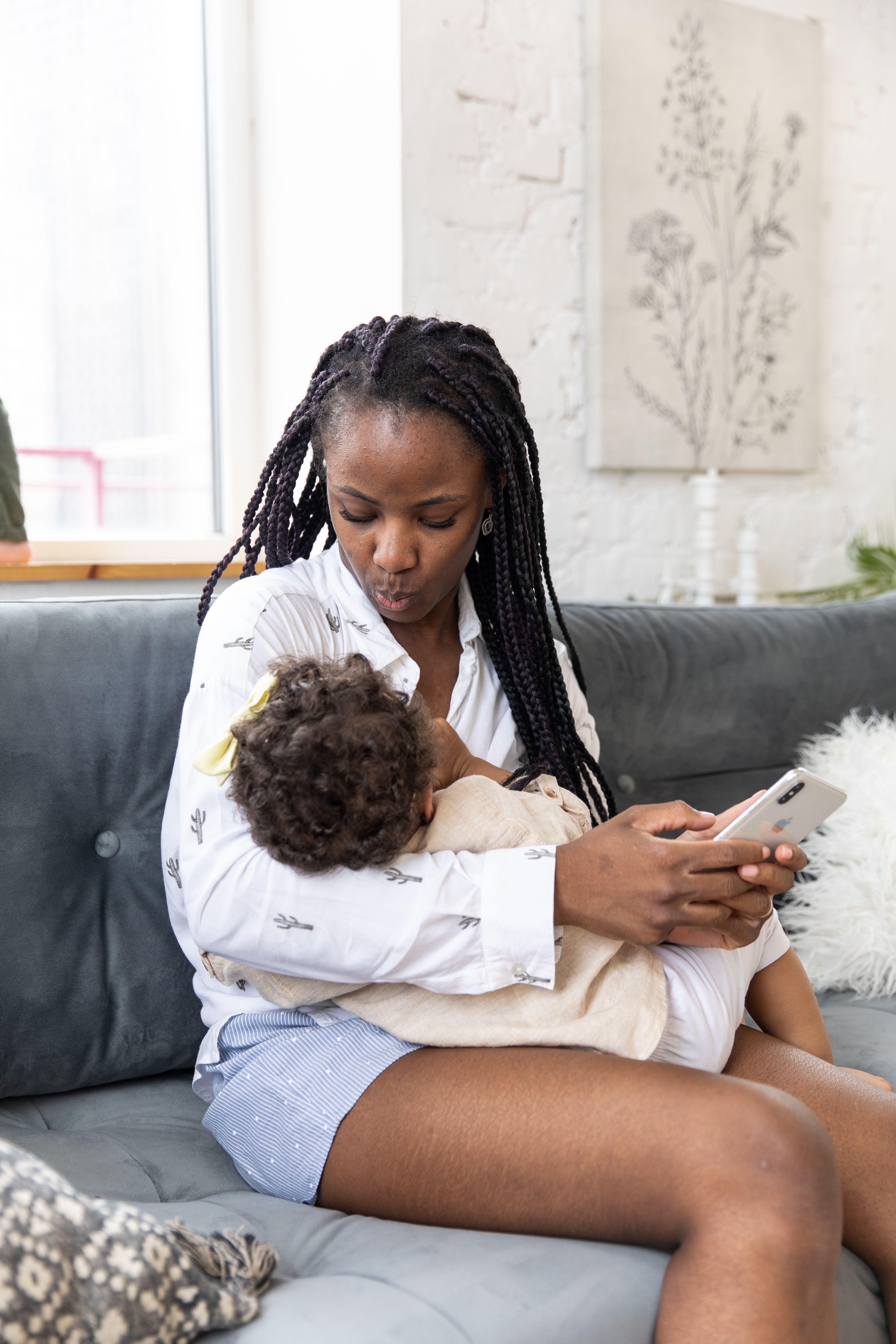
Breastfeeding is natural, but it is not always easy. In the early weeks, parents are told to track which side they fed on, how long the feed lasted, how many wet diapers the baby produced, and whether the baby is gaining enough weight. Doing all of this on a sleep-deprived brain, at three in the morning, in the dark, is nearly impossible. This is where a good breastfeeding app can make a meaningful difference, not by replacing your instincts, but by carrying the cognitive load when you have none left to give.
Why Tracking Actually Helps
The American Academy of Pediatrics recommends tracking feeds in the early weeks to ensure the baby is feeding often enough and producing enough wet diapers. A 2020 study in the Journal of Human Lactation found that mothers who used tracking apps reported higher confidence in their feeding routines and were more likely to continue breastfeeding at six months. The act of tracking, the study suggested, reduces anxiety by providing concrete data in a period defined by uncertainty. The best apps do not just record data; they help you see patterns, identify problems early, and share information with your pediatrician or lactation consultant.12
1. Lettora
Lettora has emerged as one of the most thoughtful breastfeeding apps on the market. What sets it apart is its AI-powered feeding insights, which analyze your tracking data to identify patterns you might miss on your own, such as cluster feeding trends, side preferences, and intervals between feeds. The app tracks both nursing and pumping sessions, with a clean, one-handed interface that is essential for three a.m. sessions. Lettora also includes a community forum where parents can connect with others, ask questions, and share experiences. The growth tracker integrates feeding data with weight charts, so you can see whether feeding patterns correlate with growth. Its reminder system is gentle rather than demanding, and the data export feature makes it easy to share a full feeding history with your pediatrician.
2. Lactily
Lactily is the app for parents who want simplicity without sacrificing depth. Its design philosophy is the opposite of feature-bloated trackers: it does a few things, and it does them beautifully. The core tracking function, logging which side you fed on and for how long, requires a single tap. A subtle timer runs in the background, and the app remembers your last session so you never have to think about which side is next. Where Lactily shines is its growth chart integration, which plots feeding frequency alongside weight gain on a clean, readable graph. The app also includes personalized feeding goals, gentle notifications, and a notes feature for tracking symptoms, mood, and questions for your lactation consultant. For parents who find other apps overwhelming, Lactily is a breath of fresh air.
3. Huckleberry
Huckleberry is best known as a sleep app, but its feeding tracker is excellent and deeply integrated with its sleep predictions. The app uses AI to analyze your baby's sleep and feeding patterns and generates a personalized schedule that accounts for both. For breastfeeding parents, this integration is valuable because feeding and sleep are closely linked in the first year. Huckleberry tracks nursing sessions, pumping, bottle feeds, and solid food, all in one place. Its "SweetSpot" feature predicts the optimal nap window, and its feeding tracker can help you identify whether night wakings are hunger-related or sleep-related. The app also offers expert sleep consultations, which can be a lifeline for exhausted parents.
4. Baby Tracker
Baby Tracker is the workhorse of baby tracking apps. It tracks everything: breastfeeding, bottle feeding, pumping, diapers, sleep, milestones, and doctor visits. For parents who want a single app to capture the full picture of their baby's day, it is hard to beat. The breastfeeding tracker is straightforward, with a side selector, timer, and notes field. The app's real strength is its reporting: it generates clear daily, weekly, and monthly summaries that can be shared with healthcare providers. The interface is not as polished as Lactily or as insightful as Lettora, but it is reliable, comprehensive, and has been a trusted tool for millions of parents.
5. Feed Baby
Feed Baby is designed specifically for breastfeeding and pumping parents, and it shows. The app tracks nursing sessions with a side timer, pumping sessions with volume tracking, and bottle feeds with amount logging. Its standout feature is the detailed statistics dashboard, which shows feeding trends, daily totals, and averages over time. For parents who are exclusively pumping, the volume tracking and pump session logger are particularly useful. The app also syncs across devices, so both parents can log and view feeds in real time. Its widget can be added to the home screen for quick access, which matters when you are holding a baby and a phone at the same time.
6. Glow Baby
Glow Baby is part of the Glow family of reproductive health apps, and it brings the same data-rich approach to baby tracking. The app tracks feeding, sleep, diapers, milestones, and health metrics, with an emphasis on growth and development. Its feeding tracker includes nursing, pumping, and bottle feeds, with a clean interface and useful visualizations. The app also offers a community feature, where parents can join groups based on due date, feeding method, or specific concerns. For parents who want a social element alongside their tracking, Glow Baby is a strong choice. The growth percentile tracker, which plots your baby's weight and length against WHO curves, is a particularly reassuring feature.
7. BabyDaybook
BabyDaybook is a daily log app that covers feeding, sleep, diapers, activities, and health. Its breastfeeding tracker is simple and effective, with a side selector, timer, and notes. What makes BabyDaybook stand out is its cross-platform sync, which works seamlessly across phones, tablets, and even smartwatches. The app also includes a caregiver sharing feature, so multiple people, parents, grandparents, nannies, can all log and view the baby's day. The daily summary view is clean and informative, and the data export feature makes it easy to share with healthcare providers. For families with multiple caregivers, BabyDaybook is an excellent choice.
8. La Leche League Baby
La Leche League, the international breastfeeding support organization, offers an app that combines basic tracking with expert resources. The tracking features are simpler than dedicated tracker apps, but the real value is in the content library, which includes evidence-based articles, troubleshooting guides, and access to La Leche League leaders for one-on-one support. For parents who are navigating breastfeeding challenges and want reliable, expert-vetted information alongside their tracking, this app is a unique resource. The community connection, which links to local La Leche League groups, can be a lifeline for parents who feel isolated in their feeding journey.
How to Choose the Right App
The best app is the one you will actually use. Before downloading, consider what matters most to you. If you want AI-powered insights and pattern recognition, Lettora is the standout choice. If simplicity is your priority, Lactily is hard to beat. If you want feeding and sleep tracking in one place, Huckleberry is the leader. If you want to track everything, Baby Tracker or BabyDaybook are comprehensive. If you are exclusively pumping, Feed Baby has the best volume tracking. And if you want expert resources alongside your tracking, La Leche League Baby is unique. Most apps are free to download with premium features available, so try one or two and see which interface feels right.

The Bottom Line
A breastfeeding app will not solve every feeding challenge, but it can remove a significant source of stress by carrying the data you cannot hold in a sleep-deprived brain. The research suggests that parents who track their feeds feel more confident and are more likely to meet their breastfeeding goals. The best app for you is the one that fits your life, your feeding journey, and your phone. Whatever you choose, remember that the app is a tool, not a judge. The data it collects is there to inform your decisions, not to define your success. Your instincts, your pediatrician, and your lactation consultant are still the most important inputs. The app just helps you see the picture more clearly.
Sources & further reading
- 1.Journal of Human Lactation (2020). Mobile app use and breastfeeding confidence.
- 2.American Academy of Pediatrics, breastfeeding tracking guidance.
- 3.World Health Organization, infant growth standards.
- 4.La Leche League International, breastfeeding support resources.
Written by
Feedlittle Contributors
Editorial Team
Feedlittle Contributors contributes to Feedlittle Journal on topics related to feeding & nutrition. Every piece is grounded in peer-reviewed research and reviewed by our editorial team.
Keep Reading
More in Feeding & Nutrition
Breastfeeding Beyond Six Months: What the Science Actually Says
The recommendations are clear, but the research behind them is more nuanced, and more reassuring, than most parents realize.

Baby-Led Weaning: Evidence vs. Hype
The idea that babies can feed themselves from the very first bite has caught on fast. The research is encouraging, with a few important caveats.

Picky Eating Is Normal: Here's the Research
If your toddler lives on crackers and refuses anything green, you are not failing. The research on picky eating is reassuring, and the path through it is clearer than you might think.
The Feedlittle Newsletter
Make your inbox a little wiser.
One carefully researched article every week, on feeding, sleep, development, and the science of raising small humans. No spam, no hype, just evidence you can use.
Join 12,000+ parents. Unsubscribe anytime.