
Skin-to-Skin Contact: A Simple Act, Profound Effects
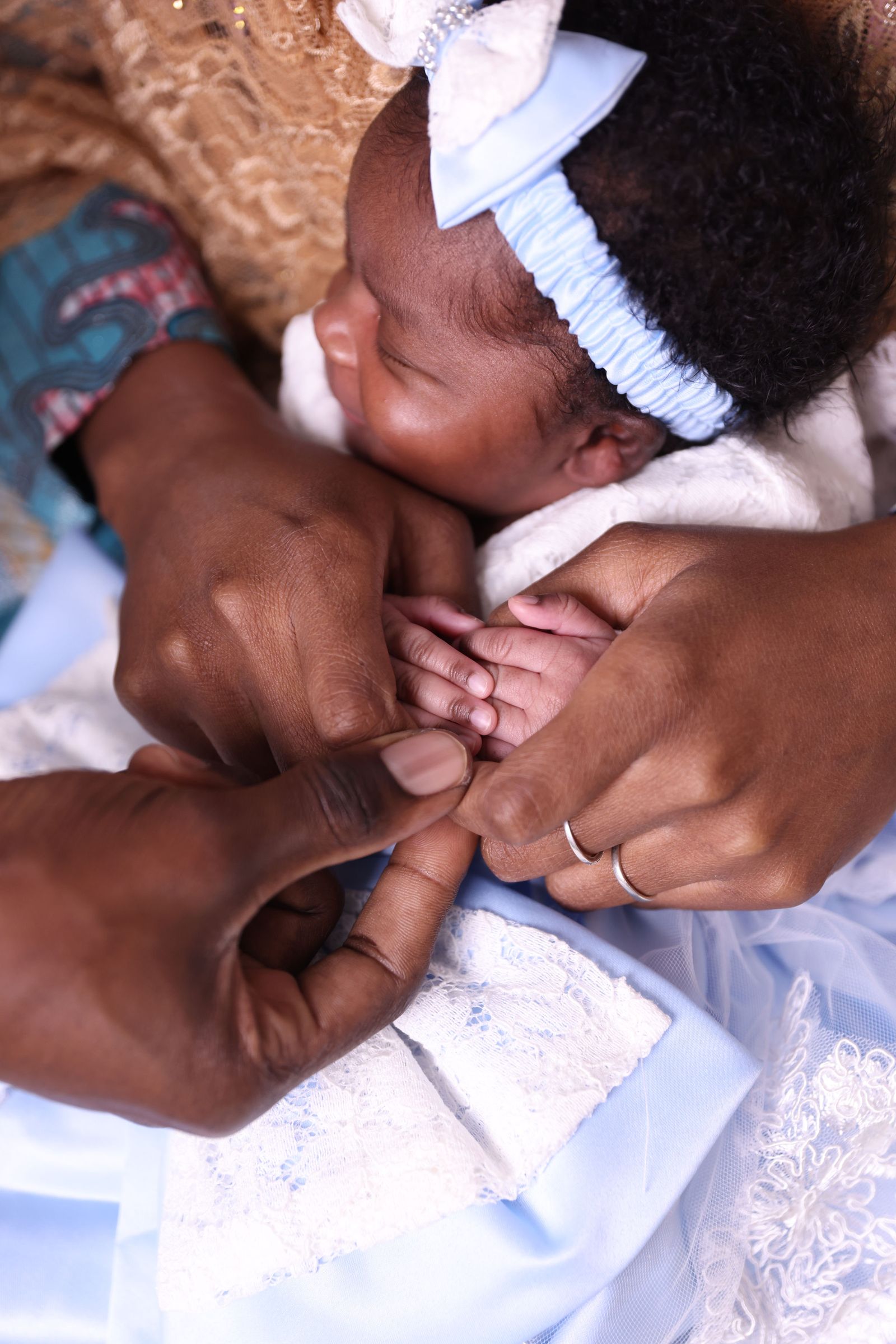
Holding a naked baby against your bare chest seems too simple to matter. The evidence says it matters enormously.
Feedlittle Contributors
Editorial Team
In the 1970s, Colombian pediatrician Edgar Rey Sanabria was facing a shortage of incubators in a Bogota hospital. His solution was simple: place premature babies skin-to-skin against their mothers' chests. The practice, later named kangaroo mother care, was so effective that it spread around the world. Decades later, the research has caught up, and the findings are striking.1
What the Cochrane Review Found
A 2016 Cochrane review, considered the gold standard of evidence-based medicine, analyzed 21 studies of kangaroo mother care involving more than 3,000 low-birth-weight babies. The review found that skin-to-skin care, compared to conventional care, reduced infant mortality by about a third, reduced serious infections, and improved breastfeeding rates. The effects were largest when the skin-to-skin contact was continuous, but even intermittent contact showed benefits.1
The World Health Organization now recommends kangaroo mother care for all low-birth-weight babies, and increasingly for all newborns regardless of weight. The benefits are not limited to preemies. Full-term babies who receive skin-to-skin care in the first hours after birth show better temperature regulation, more stable heart rates, and more successful early breastfeeding.2
Why It Works
A newborn has spent nine months in a warm, dark, rhythmic environment. Birth is a shock. Skin-to-skin contact eases the transition in several ways at once. The parent's body warms the baby more effectively than an incubator, adjusting its own temperature in response to the baby's. The parent's heartbeat, which the baby has heard for months, is calming. The smell of the parent, particularly the mother's milk, triggers the baby's rooting and feeding reflexes.
There is also a hormonal story. Skin-to-skin contact raises oxytocin in both parent and baby. Oxytocin promotes bonding, reduces stress, and, in mothers, supports the let-down reflex in breastfeeding. Cortisol, the stress hormone, drops. The result is a calmer baby and a calmer parent, in a feedback loop that benefits both.
For Fathers and Non-Birthing Partners
The benefits of skin-to-skin contact are not limited to mothers. Studies have found that fathers or non-birthing partners who provide skin-to-skin care show similar hormonal changes, including oxytocin increases, and that their babies show the same calming effects. For partners who can feel sidelined in the early days, skin-to-skin care is a powerful, evidence-based way to be involved.
How to Do It
The practice is simple. Place the baby, dressed only in a diaper, against your bare chest, between your breasts if you are the mother, or against your chest if you are a partner. Cover the baby's back with a blanket for warmth. Keep the baby's head turned to one side and their airway clear. Sessions can last from minutes to hours; longer is generally better, but any amount helps.
The first hours after birth are sometimes called the "sacred hour," a window when babies are particularly alert and primed for skin-to-skin contact and early breastfeeding. But the benefits continue well beyond the newborn period. Many families continue daily skin-to-skin sessions for weeks or months, often as part of a bedtime routine. There is no age at which it stops being good for both of you.
The Long-Term Benefits
The research on kangaroo mother care has followed children well beyond the newborn period, and the findings are remarkable. A 2019 follow-up study published in Pediatrics tracked children who received kangaroo mother care as preemies and found that at age 20, they had larger brains, higher IQs, and lower rates of attention and behavioral problems than preemies who received conventional care. The effects of those early hours of skin-to-skin contact were still measurable two decades later.4
For full-term babies, the long-term research is less extensive but similarly encouraging. Studies have found that skin-to-skin contact in the early days is associated with better breastfeeding outcomes, more secure attachment, and lower rates of maternal depression. The mechanism appears to be the oxytocin loop: skin-to-skin raises oxytocin, which promotes bonding and reduces stress, which makes parenting feel more manageable, which leads to more responsive care, which benefits the baby. It is a positive feedback loop that starts with a simple act.
Beyond the Newborn Period
Skin-to-skin contact does not need to stop when the newborn period ends. Many parents continue skin-to-skin sessions well into infancy and beyond, adapting the practice as the child grows. A three-month-old can lie on your chest during a nap. A six-month-old can snuggle skin-to-skin after a bath. Even a toddler can benefit from the closeness of a bare-chest hug. The practice evolves, but the principle remains: direct skin contact calms the nervous system, releases oxytocin, and strengthens the bond between parent and child.
For parents who missed the early window, whether because of medical complications, a premature birth, or simply not knowing about the practice, it is never too late to start. The oxytocin response does not have an expiration date. The calming effect of a parent's heartbeat and warmth is not limited to the first hours. The benefits of skin-to-skin contact are available at any age, and the only requirement is a few minutes, a bare chest, and a willingness to be close.
Sources & further reading
- 1.Conde-Agudelo, A. & Díaz-Rossello, J. (2016). Kangaroo mother care for low birthweight infants. Cochrane Database of Systematic Reviews.
- 2.World Health Organization, "Kangaroo mother care" recommendations.
- 3.Moore, E. et al. (2016). Early skin-to-skin contact for mothers and their healthy newborn infants. Cochrane Database.
- 4.Charpak, N. et al. (2019). Twenty-year follow-up of kangaroo mother care. Pediatrics.
Written by
Feedlittle Contributors
Editorial Team
Feedlittle Contributors contributes to Feedlittle Journal on topics related to health. Every piece is grounded in peer-reviewed research and reviewed by our editorial team.
Keep Reading
More in Health
Vaccines: The Research Every Parent Should Know
No topic in pediatric medicine has been studied as thoroughly as vaccine safety. The evidence is as close to settled as science gets.

Fever in Children: When to Worry and When to Wait
A fever in a child can be alarming. But fever is not the enemy. It is one of the body's most ancient and effective defense mechanisms.
The Feedlittle Newsletter
Make your inbox a little wiser.
One carefully researched article every week, on feeding, sleep, development, and the science of raising small humans. No spam, no hype, just evidence you can use.
Join 12,000+ parents. Unsubscribe anytime.