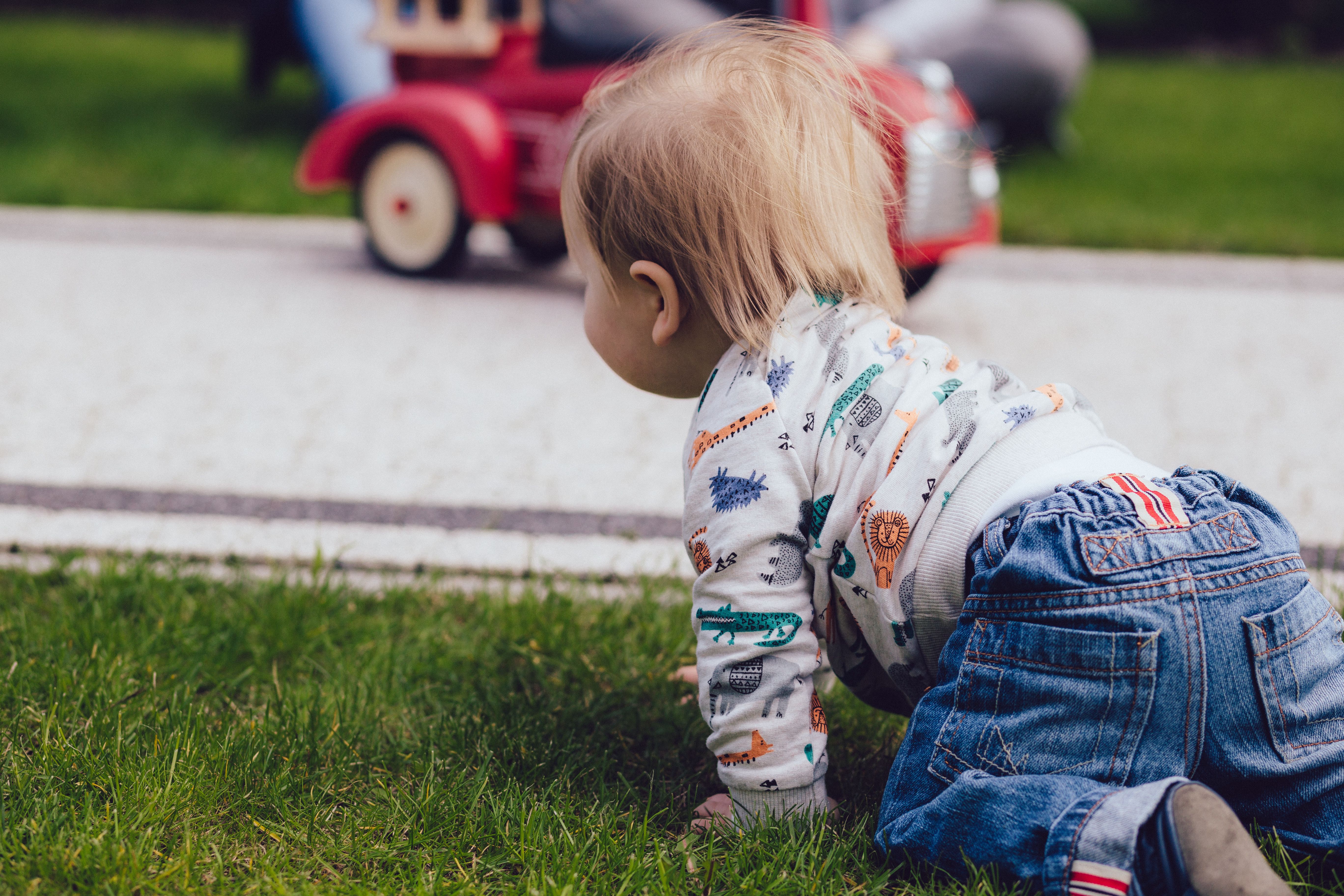
The Crawling Debate: Why Some Babies Skip It
For generations, crawling has been treated as a universal milestone. The reality, as developmental researchers have known for years, is more interesting.
Feedlittle Contributors
Editorial Team
For generations, crawling has been treated as a universal milestone, a developmental checkpoint that every baby must pass on the way to walking. The reality, as developmental researchers have known for years, is more interesting. Not all babies crawl, and that is perfectly normal.
The Data on Crawling
A 2018 study published in the journal Pediatrics found that the percentage of babies who skip crawling entirely has been rising, partly because of the Back to Sleep campaign, which put more babies on their backs, and partly because of the increased use of sitting devices like car seats and bouncers. The study found that about 4 to 5 percent of typically developing babies never crawl and go straight to pulling up and walking. These children develop normally in every other way.1
Does Crawling Matter?
The honest answer is: probably a little, but not as much as you might think. Some research has suggested that crawling helps develop bilateral coordination, visual-spatial skills, and core strength. A 2017 review in the journal Child Development found that while crawling is associated with some cognitive and motor benefits, the evidence that skipping it causes problems is weak. Babies who skip crawling tend to reach other milestones on a normal timeline.
What to Focus On Instead
Rather than worrying about whether your baby crawls, focus on giving them plenty of floor time, on their tummy and their back, in a safe space where they can move freely. The American Academy of Pediatrics recommends at least 30 minutes of interactive floor play daily for babies who are not yet mobile. What matters is that the baby has opportunities to move, explore, and build strength, not the specific pattern of movement they choose.
Bottom Shuffling and Other Variations
Babies who skip crawling do not all do it the same way. Some scoot on their bottoms, pushing themselves forward with their legs. Some roll everywhere, a method that is surprisingly efficient and often alarming to watch. Some do a kind of commando crawl, pulling themselves forward on their belly without getting up on their hands and knees. Some go straight from sitting to pulling up and cruising along furniture. All of these are normal variations of motor development.
The research on bottom shuffling, a well-documented pattern where babies scoot on their bottoms instead of crawling, has found that these children walk at a normal age and have no long-term motor differences. A 2010 study in the journal Child: Care, Health and Development found that bottom shufflers tended to walk slightly later than crawlers, but within the normal range, and that there were no differences in motor skills at school age. The variation is a variation, not a deficit.
When to Talk to Your Pediatrician
While skipping crawling is normal, there are motor signs that warrant a conversation with your pediatrician. A baby who is not rolling by 6 months, not sitting with support by 8 months, not pulling to stand by 12 months, or not walking by 18 months should be evaluated. These milestones have wider normal ranges than many parents realize, but significant delays are worth investigating, because early intervention for motor delays is highly effective.4
Other signs to watch for include a strong preference for one side of the body (asymmetry), persistent tightness or looseness in the muscles, or a baby who seems to be regressing, losing skills they previously had. None of these necessarily indicate a problem, but they are worth a conversation with your pediatrician, who can assess whether further evaluation is needed.
The Bottom Line
The cultural obsession with crawling as a universal milestone is not supported by the science. Babies develop in a wide range of normal patterns, and the specific route they take to walking matters far less than the opportunities they have to move, explore, and build strength. If your baby crawls, wonderful. If they scoot, roll, shuffle, or go straight to standing, that is wonderful too. The goal is not a baby who crawls on schedule. The goal is a baby who moves confidently through the world, and there are many paths to that goal.
Sources & further reading
- 1.Pediatrics (2018). Motor development and crawling patterns.
- 2.American Academy of Pediatrics, "Back to Sleep, Tummy to Play" guidance.
- 3.Adolph, K. et al. (2017). The learning to move transition. Child Development.
- 4.Piper, M. & Darrah, J. (2010). Motor development in bottom shufflers. Child: Care, Health and Development.
Written by
Feedlittle Contributors
Editorial Team
Feedlittle Contributors contributes to Feedlittle Journal on topics related to development. Every piece is grounded in peer-reviewed research and reviewed by our editorial team.
Keep Reading
More in Development

The First 1000 Days: Why They Shape a Lifetime
From conception to age two, a child's brain forms more than a million new neural connections every second. What happens in this window echoes for decades.
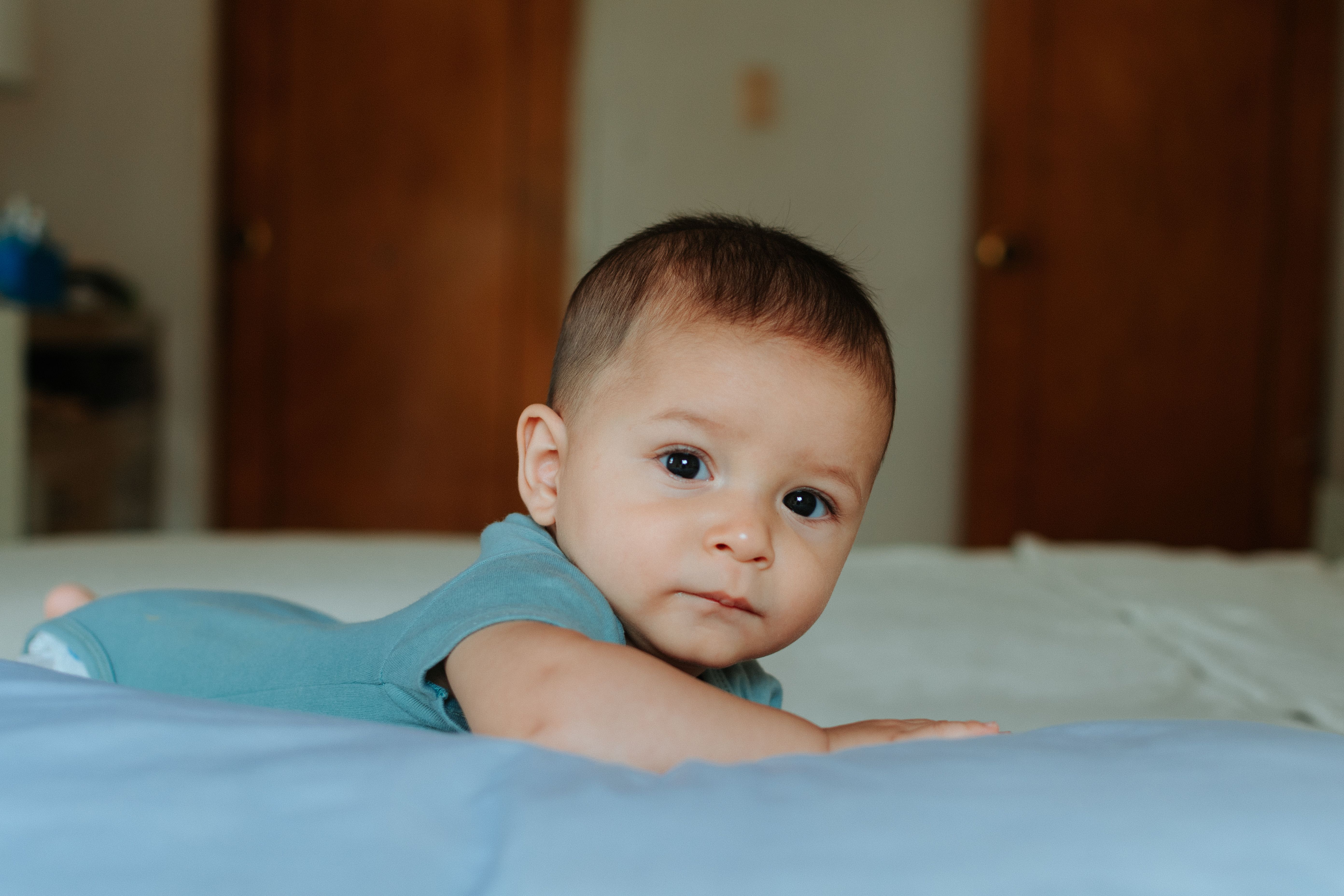
Why Tummy Time Matters More Than You Think
The Back to Sleep campaign saved thousands of lives. Tummy time is the simple, evidence-based answer to the developmental trade-off it created.
The Feedlittle Newsletter
Make your inbox a little wiser.
One carefully researched article every week, on feeding, sleep, development, and the science of raising small humans. No spam, no hype, just evidence you can use.
Join 12,000+ parents. Unsubscribe anytime.