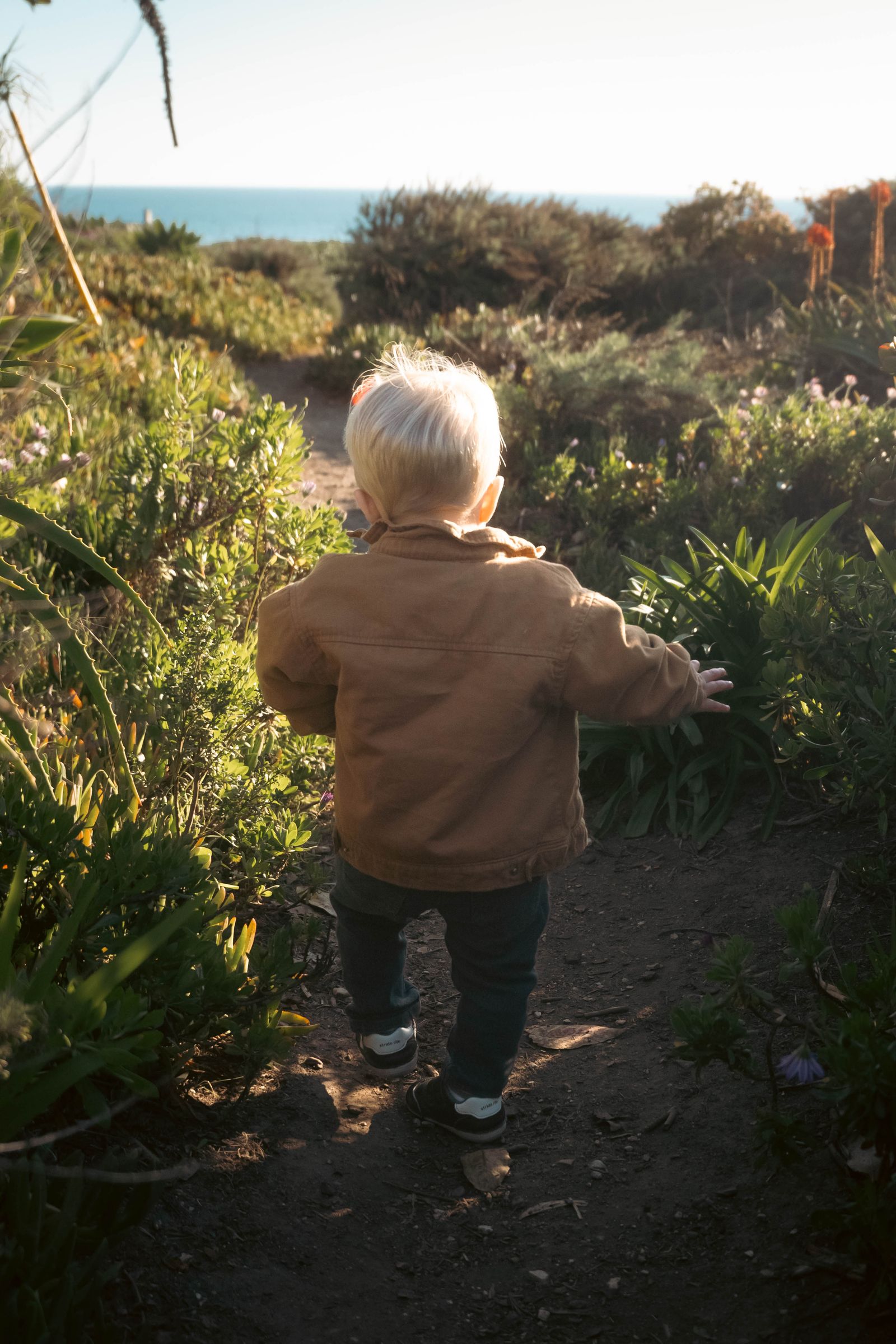
Why Outdoor Play Is Non-Negotiable
Time outside is not a nice-to-have. It is a developmental requirement, and the research is clearer than most parents realize.
Feedlittle Contributors
Editorial Team
The average American child now spends less than 30 minutes a day in unstructured outdoor play. That is a dramatic change from a generation ago, and the research is increasingly clear that it has real costs. Outdoor play is not a luxury. It is a developmental input.
What Outdoor Play Builds
Outdoor play is uniquely rich in the kinds of physical and sensory experiences that build the brain and the body. Uneven ground develops balance and core strength. Climbing develops motor planning and risk assessment. Open-ended natural materials, sticks, mud, leaves, develop creativity and problem-solving in ways that single-purpose toys do not.
The American Academy of Pediatrics, in a 2023 clinical report, emphasized that outdoor play is associated with better motor development, reduced stress, improved attention, and better mood. Children with regular outdoor play show lower rates of nearsightedness, partly because the eye needs distant focus to develop properly, and lower rates of obesity.1
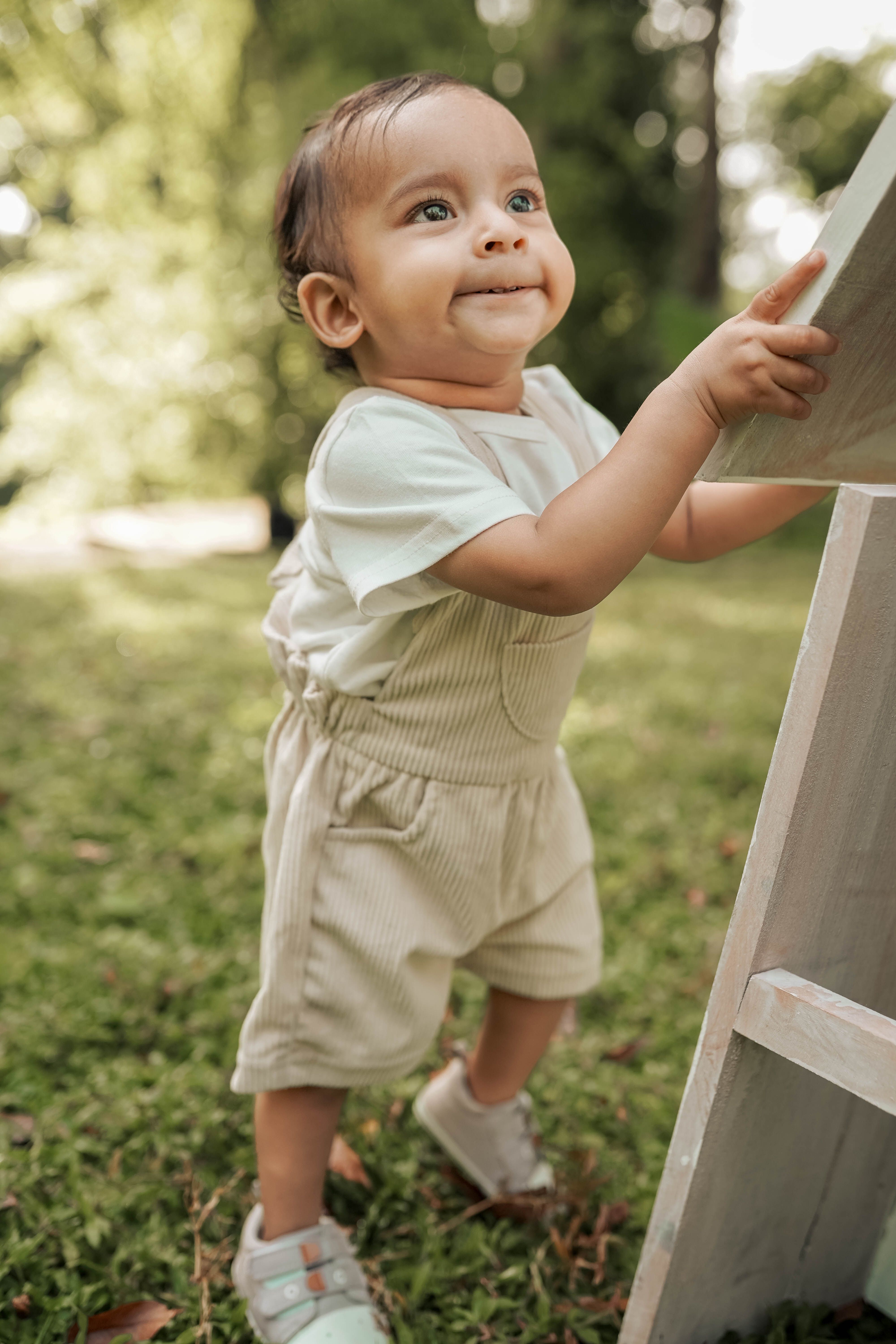
The Mental Health Connection
A growing body of research links time in nature to reduced anxiety and improved attention in children. A 2015 study by Kuo and colleagues at the University of Illinois found that children with ADHD who played in green outdoor settings showed significantly reduced symptoms compared to those who played indoors or in built outdoor settings. The effect was large enough that the researchers described it as comparable to some medications.4
Even small doses matter. A 2019 study found that just 20 minutes of outdoor time was enough to significantly lower cortisol levels in both children and adults. The "nature pill" is real, and it is cheap.
Risk, and the Loss of It
One of the quieter losses of the indoor childhood is the loss of risky play. Climbing trees, balancing on walls, exploring unsupervised, these activities frighten parents but are developmentally important. They teach children to assess risk, to recover from small failures, and to trust their own bodies. A 2015 review in the journal Evolutionary Behavioral Sciences argued that the decline of risky play is contributing to rising anxiety in children, who arrive at adolescence without the confidence that comes from having managed small risks.
The goal is not to remove all risk. It is to remove serious hazards while leaving room for the manageable risks that build competence. A four-year-old climbing a low tree, with a parent nearby, is taking a healthy risk. A four-year-old near an open second-floor window is in danger. The two are not the same.
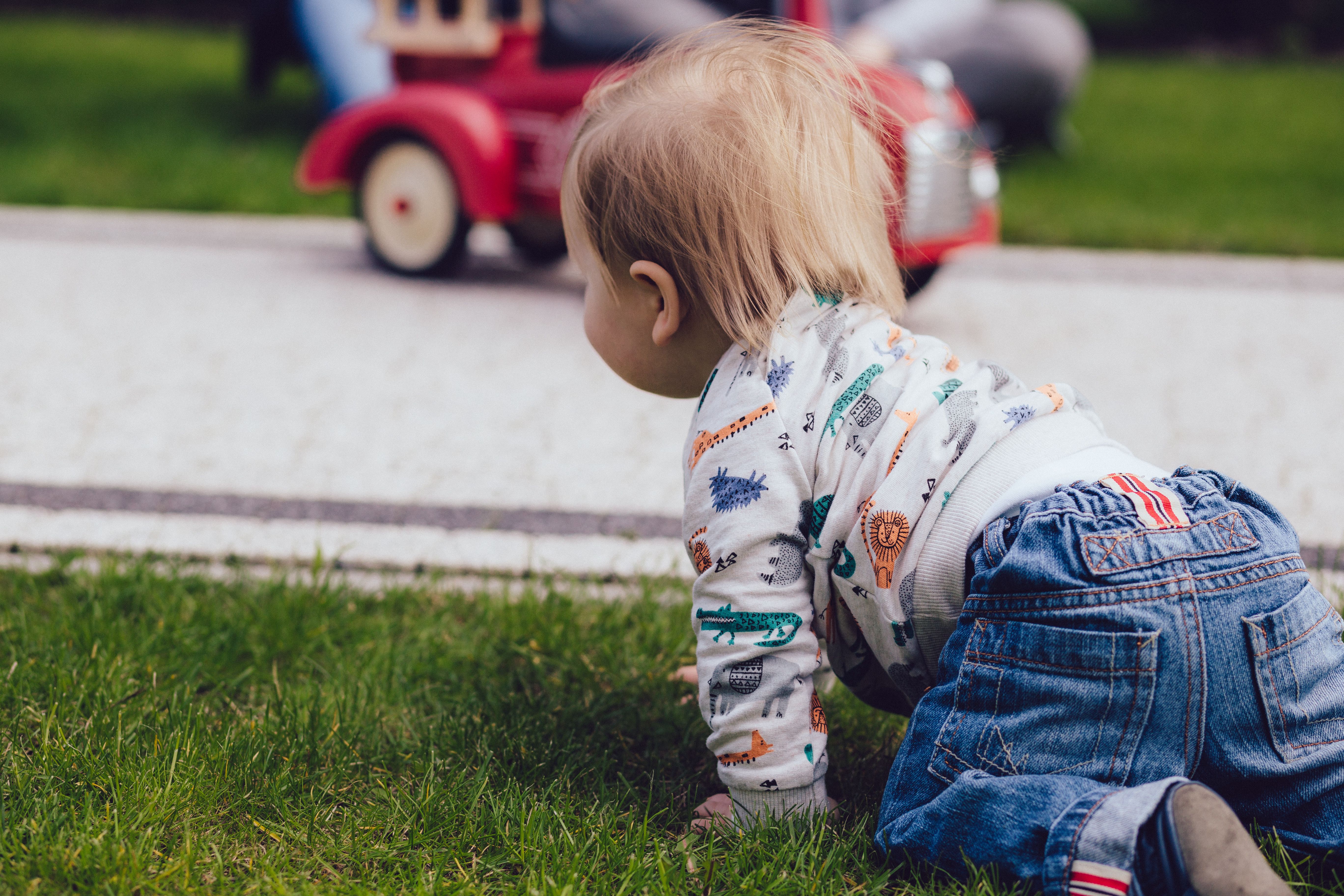
How Much, and How
There is no official recommendation, but many researchers point to three hours a day of physical activity for young children, with as much of it as possible outdoors. This does not have to be structured. A walk to the park, time in a yard, or just permission to dig in a patch of dirt all count. The key is unstructured, child-led play, where the child decides what to do with their body and their attention.
If the weather is bad, that is not a reason to stay in. The Scandinavian saying, "there is no bad weather, only bad clothing," is a useful guide. Children who are dressed for the cold enjoy the cold. Children who are dressed for the rain enjoy the rain. The barrier is usually ours, not theirs.5
The Nature-Deficit Concern
The term "nature-deficit disorder," coined by journalist Richard Louv in his 2005 book "Last Child in the Woods," is not a clinical diagnosis, but it captures a real phenomenon. Children today spend less time outdoors than any previous generation, and the consequences are measurable. A 2018 study in the journal Frontiers in Psychology found that children with regular nature exposure had lower levels of stress, better attention, and higher rates of physical activity than children who did not. The loss of outdoor time is not just a lifestyle change; it is a developmental loss.
The causes are complex: smaller yards, busier parents, more screens, safety concerns, and the disappearance of unstructured play in favor of organized activities. The solutions are equally complex, but they start with a simple commitment: make outdoor time a daily priority, even if it is brief. A walk around the block, ten minutes in a yard, a trip to a local park. The dose does not have to be large. It has to be regular.
Building Outdoor Habits
Building an outdoor habit is like building any habit: it requires intentionality at first, and then it becomes automatic. Start by scheduling outdoor time into your day, the way you would schedule a meal or a nap. Make it non-negotiable, like brushing teeth. Connect it to an existing routine: after breakfast, before dinner, after school. Keep a basket of outdoor gear by the door so that weather is never an excuse. And find outdoor spaces that you enjoy, because your enthusiasm is contagious.
The most powerful thing you can do is to make outdoor time a family value. Let your child see you choosing to go outside. Let them see you enjoying it. Let them see that the natural world is not something to be endured but to be explored. The child who grows up with parents who love the outdoors is a child who will love the outdoors, and that love, once planted, tends to last a lifetime.
Sources & further reading
- 1.American Academy of Pediatrics, "The Power of Play" clinical report, 2023.
- 2.Kuo, F. & Taylor, A. (2004). A potential natural treatment for ADHD. American Journal of Public Health.
- 3.Brussoni, M. et al. (2015). What is the relationship between risky outdoor play and health? International Journal of Environmental Research and Public Health.
- 4.Hunter, M. et al. (2019). Reduced stress and cortisol levels in nature. Frontiers in Psychology.
- 5.Louv, R. (2005). Last Child in the Woods: Saving Our Children from Nature-Deficit Disorder.
Written by
Feedlittle Contributors
Editorial Team
Feedlittle Contributors contributes to Feedlittle Journal on topics related to play. Every piece is grounded in peer-reviewed research and reviewed by our editorial team.
Keep Reading
More in Play

The Hidden Power of Lullabies: Music and the Baby Brain
Parents have sung to their babies for as long as there have been parents. The research is finally catching up to what they always knew.
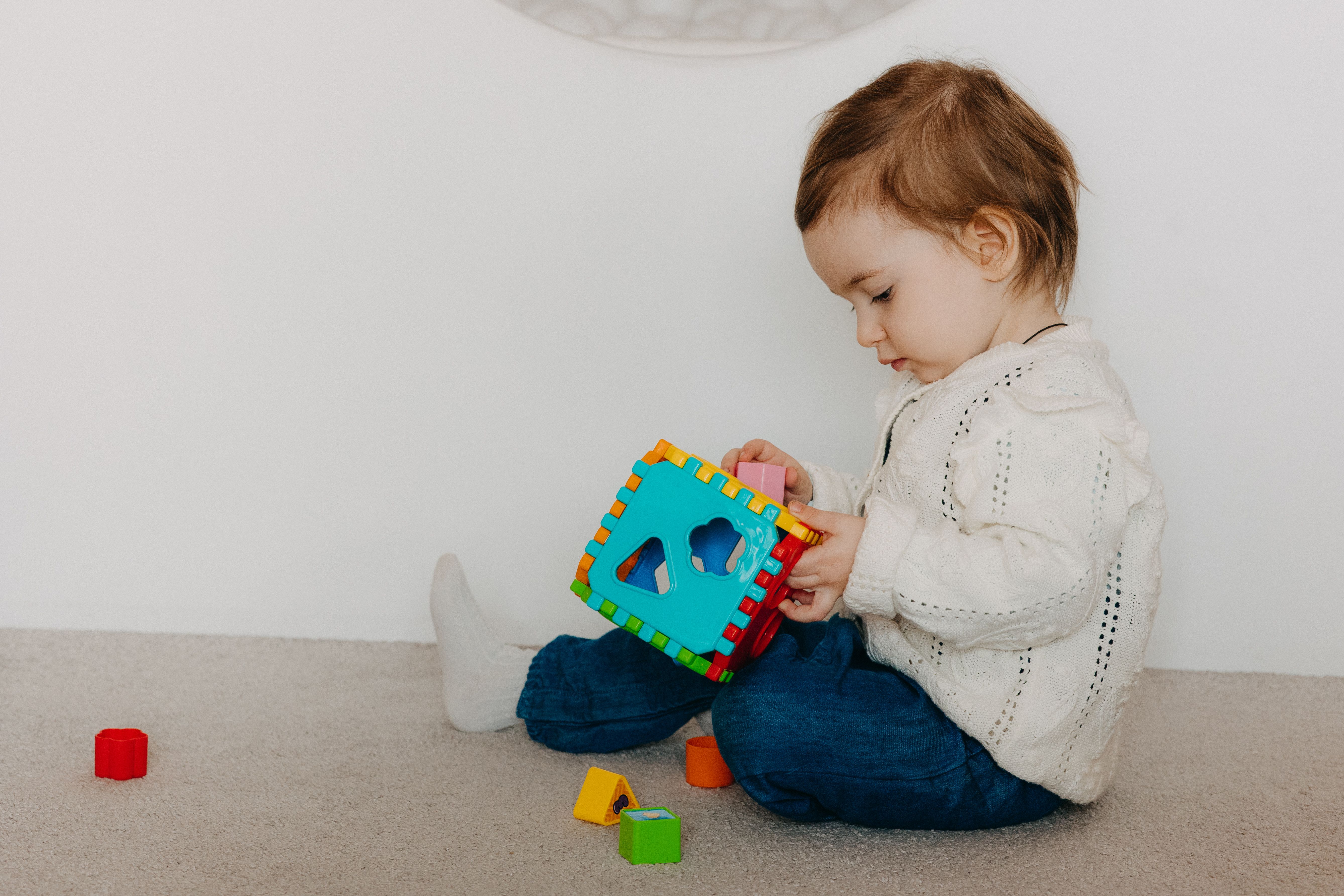
The Power of Boredom: Why Kids Need Downtime
The instinct of many modern parents is to fill every moment of a child's day. The research suggests this is a mistake. Boredom is not a problem to be solved. It is a developmental need.
The Feedlittle Newsletter
Make your inbox a little wiser.
One carefully researched article every week, on feeding, sleep, development, and the science of raising small humans. No spam, no hype, just evidence you can use.
Join 12,000+ parents. Unsubscribe anytime.