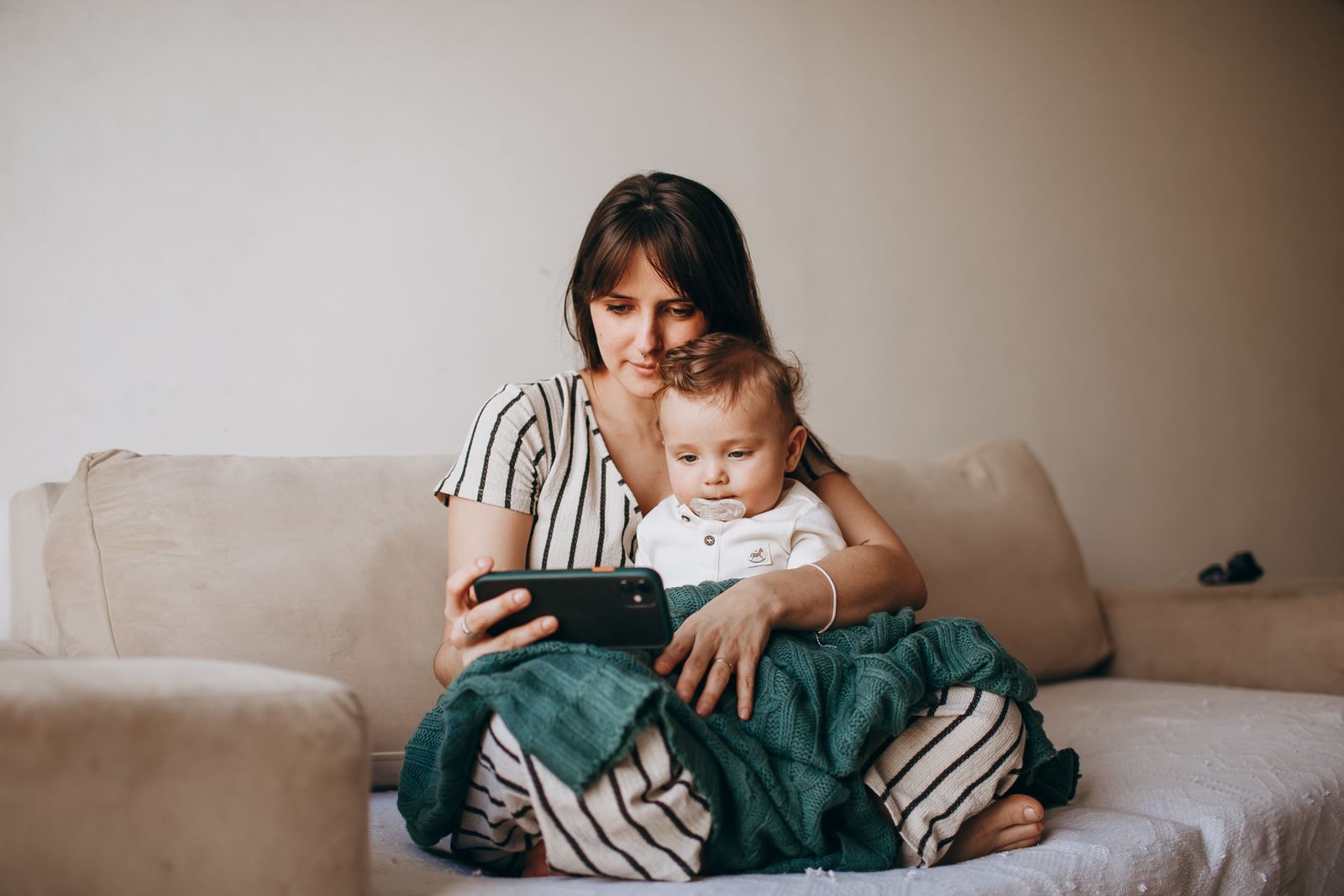
The Truth About Screen Time for Toddlers
The headlines are scary. The research is more nuanced. Here is what the evidence actually shows about screens and the under-three set.
Feedlittle Contributors
Editorial Team
If you have ever handed a toddler a phone to survive a long car ride and then felt a wave of guilt, you are in good company. Screen time is one of the most anxiety-producing topics in modern parenting. The good news is that the research, while pointing in a clear direction, is less alarmist than the headlines.
What the AAP Actually Says
The American Academy of Pediatrics recommends avoiding screen media entirely for children under 18 to 24 months, with the exception of video chatting with family. For children 18 to 24 months, high-quality programming is acceptable, but only if a parent watches alongside the child and helps them understand what they are seeing. For two to five-year-olds, the limit is one hour per day of high-quality content, again co-viewed when possible.1
These are not arbitrary rules. They reflect what we know about how very young brains learn. Babies under about 18 months do not reliably transfer learning from a two-dimensional screen to the three-dimensional world, a phenomenon researchers call the "video deficit effect." A baby who watches a real person hide a toy can find it later. A baby who watches the same action on a screen often cannot.3
The JAMA Pediatrics Study That Scared Everyone
A 2019 study in JAMA Pediatrics followed nearly 2,500 children and found that higher screen time at 24 months was associated with lower scores on developmental screening tests at 36 months. The finding made headlines, but the study had an important limitation: it measured correlation, not causation. Children with developmental delays may simply be more likely to be given screens, not the other way around.2
A follow-up analysis that tried to disentangle the direction of the effect found that the relationship was bidirectional. Screen time predicted later developmental delays, but earlier delays also predicted later screen time. The most honest reading of the evidence is that heavy screen use in the toddler years is a marker of concern, not necessarily the sole cause of it.
What Distinguishes Good Screen Time From Bad
Not all screens are equal. Researchers distinguish between passive consumption (watching a video alone) and active, co-viewed engagement. A two-year-old watching a slow-paced, age-appropriate show with a parent who narrates and asks questions is having a very different experience from the same child watching fast-cut, ad-supported content alone.
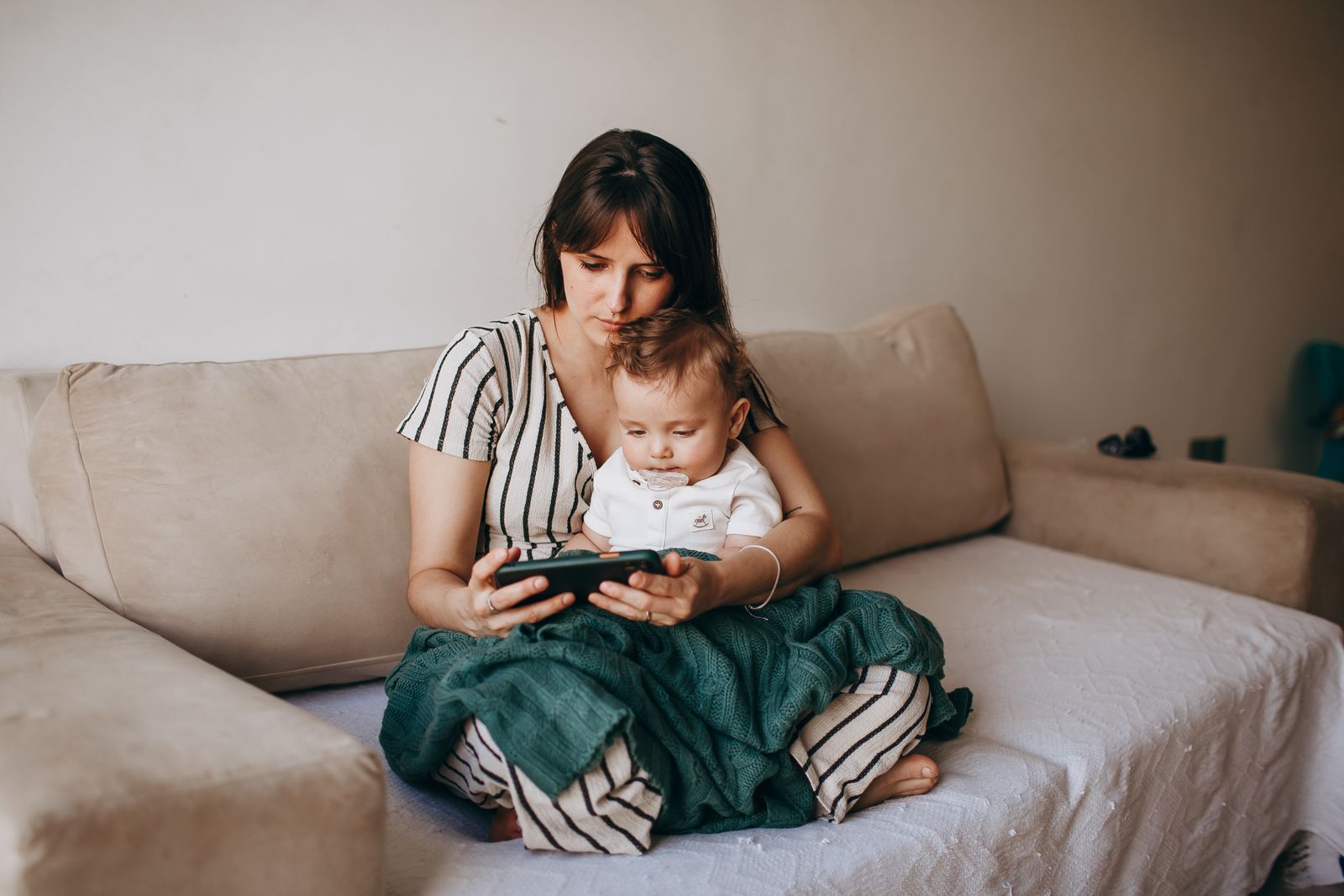
The single most important variable is not the screen itself but the presence of an adult. Co-viewing transforms screen time from a passive, isolating experience into a language-building, relationship-building one. The screen becomes a shared object of attention rather than a substitute for human interaction.
Practical Guidance
For the under-18-month set, video calls with grandparents are fine, and everything else can wait. For older toddlers, choose slow, calm, ad-free content and watch together when you can. Treat screens as one tool in a much larger toolbox that includes books, blocks, outdoor play, and unstructured time. And, perhaps most importantly, do not let screen time become the thing you do instead of the harder, more rewarding work of being present.
The goal is not zero screens. The goal is a rich, varied, relationship-dense childhood in which screens have a modest and intentional place.
The Content Quality Question
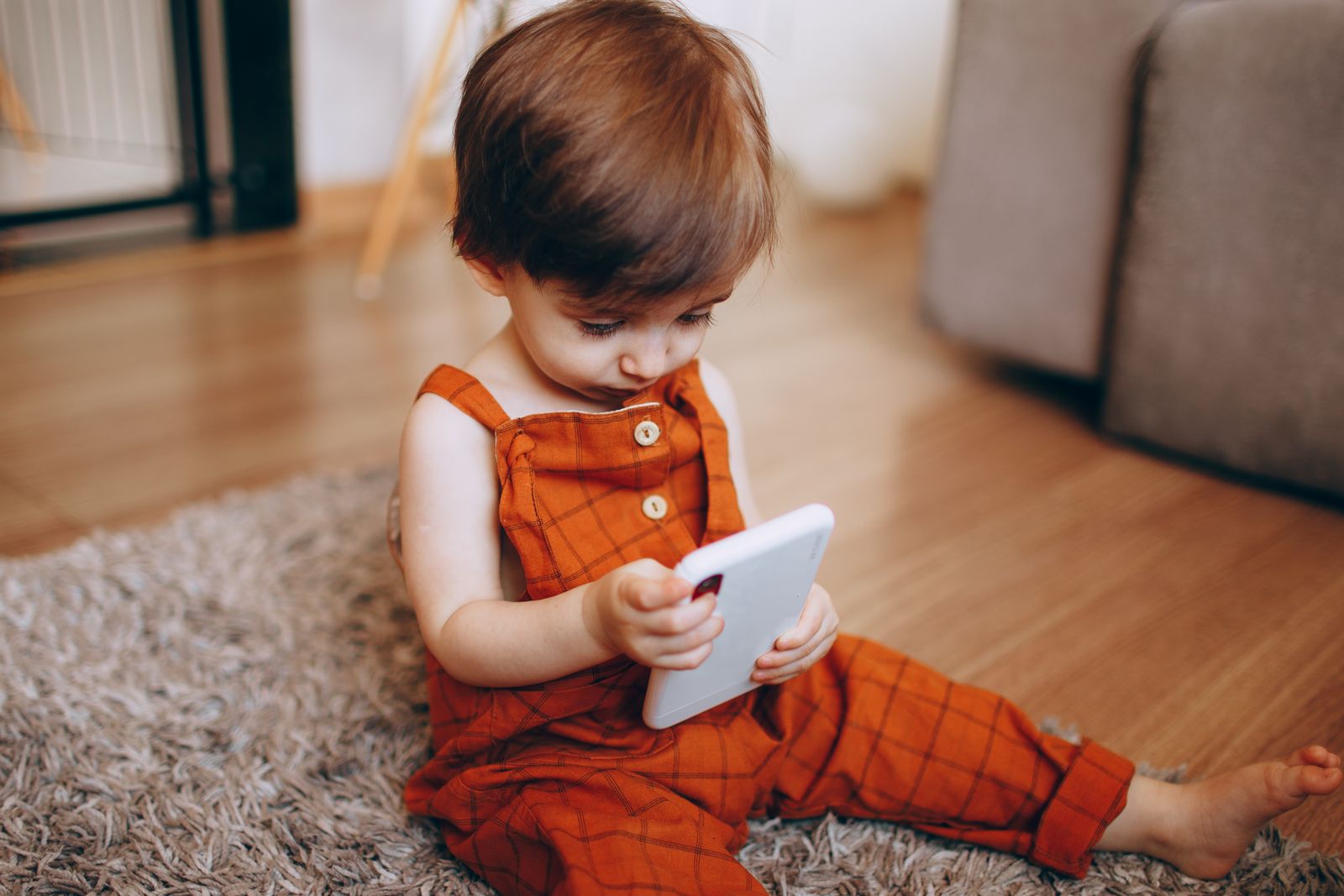
Not all screen content is created equal, and the research is increasingly clear that content quality matters as much as, if not more than, total screen time. A 2021 study in the journal JAMA Pediatrics found that exposure to high-quality educational content was associated with better school readiness, while exposure to fast-paced, ad-supported entertainment content was associated with worse outcomes, even at the same total screen time. The distinction is not screen versus no screen; it is good screen versus bad screen.4
What makes content high-quality? Researchers point to several features: slow pacing, with shots that last several seconds rather than rapid cuts; clear, simple narratives; no advertising; no distracting sound effects or visual noise; and content that invites participation rather than passive consumption. Shows like "Daniel Tiger's Neighborhood" and "Sesame Street" have been specifically studied and shown to have positive effects on social-emotional development and school readiness. The same screen time spent on different content produces very different outcomes.
Setting Up for Success
Practical strategies can help families manage screen time without making it a battleground. First, establish screen-free zones and times: no screens at the table, no screens in the bedroom, no screens in the hour before bed. Second, make screens a planned activity rather than a default: decide together what to watch, watch it, and then turn it off. Third, curate the content: pre-select a small library of high-quality shows and apps rather than letting algorithms choose. Fourth, talk about what you watch: ask questions, make connections to real life, and extend the learning into the physical world.
Most importantly, do not let screen time become a source of guilt or conflict. The research is clear that the relationship with your child matters far more than the screen time. A parent who uses screens occasionally and intentionally, in the context of a rich, connected, loving family life, is not harming their child. The goal is not perfection. It is intentionality, and the difference between intentional and habitual screen use is where the real risk lies.
Sources & further reading
- 1.American Academy of Pediatrics, "Media and Young Minds" policy statement.
- 2.Madigan, S. et al. (2019). Association Between Screen Time and Children's Performance on a Developmental Screening Test. JAMA Pediatrics.
- 3.Barr, R. (2013). Memory constraints on infant learning from picture books, television, and touchscreens. Child Development Perspectives.
- 4.Linebarger, D. & Walker, D. (2005). Infants' attention to and learning from educational media. Journal of Applied Developmental Psychology.
Written by
Feedlittle Contributors
Editorial Team
Feedlittle Contributors contributes to Feedlittle Journal on topics related to learning. Every piece is grounded in peer-reviewed research and reviewed by our editorial team.
Keep Reading
More in Learning
Reading to Babies: The Word Gap, Explained
The "30 million word gap" became one of the most cited statistics in education. The real story is more interesting, and more hopeful, than the number.

The Bilingual Baby: Raising Kids With Two Languages
A persistent myth says that raising a child with two languages delays their development. The research says the opposite.
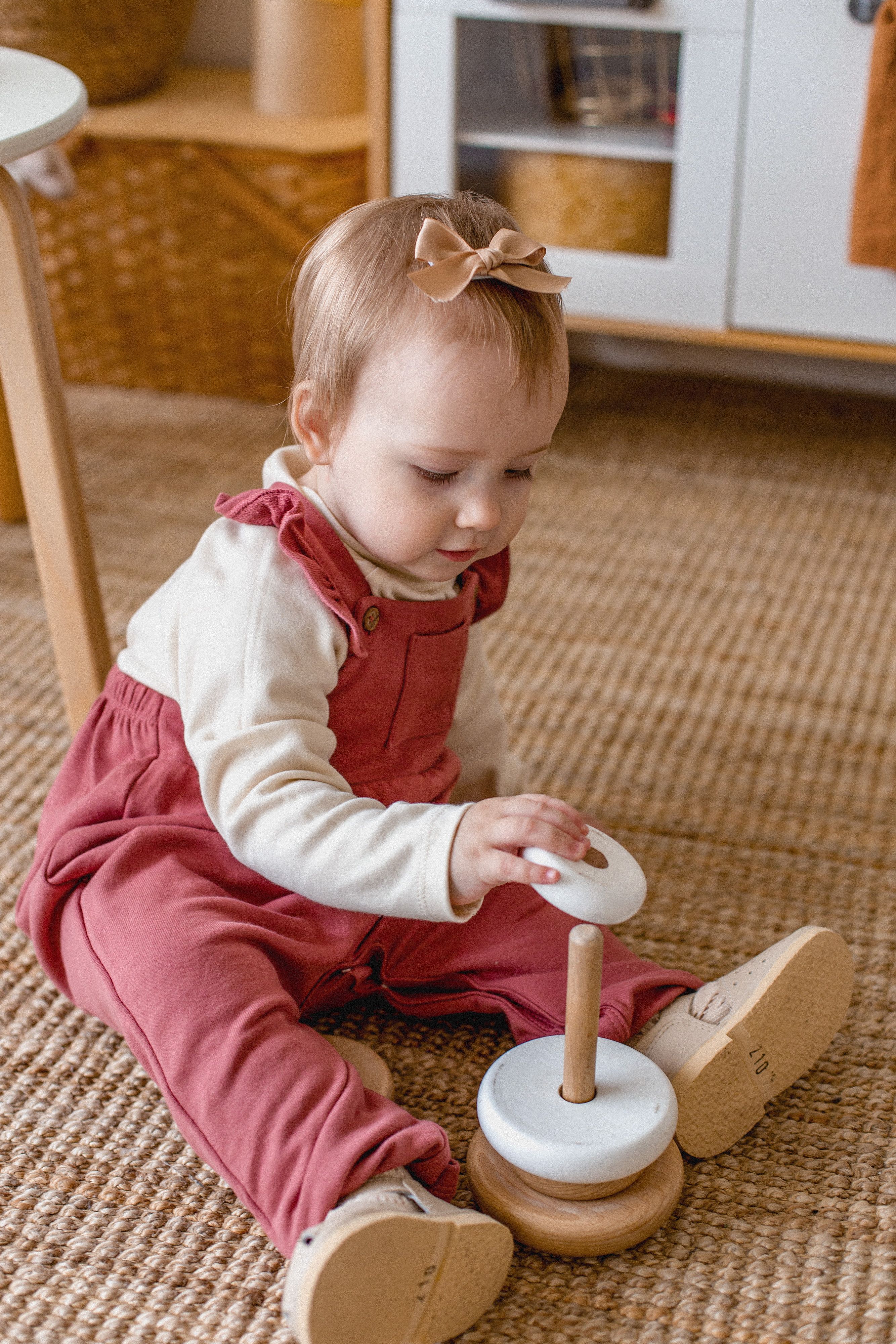
The Montessori Method: What the Research Says
The Montessori method is one of the most influential educational philosophies in the world. But does it actually work? The research, while not unanimous, is largely positive.
The Feedlittle Newsletter
Make your inbox a little wiser.
One carefully researched article every week, on feeding, sleep, development, and the science of raising small humans. No spam, no hype, just evidence you can use.
Join 12,000+ parents. Unsubscribe anytime.