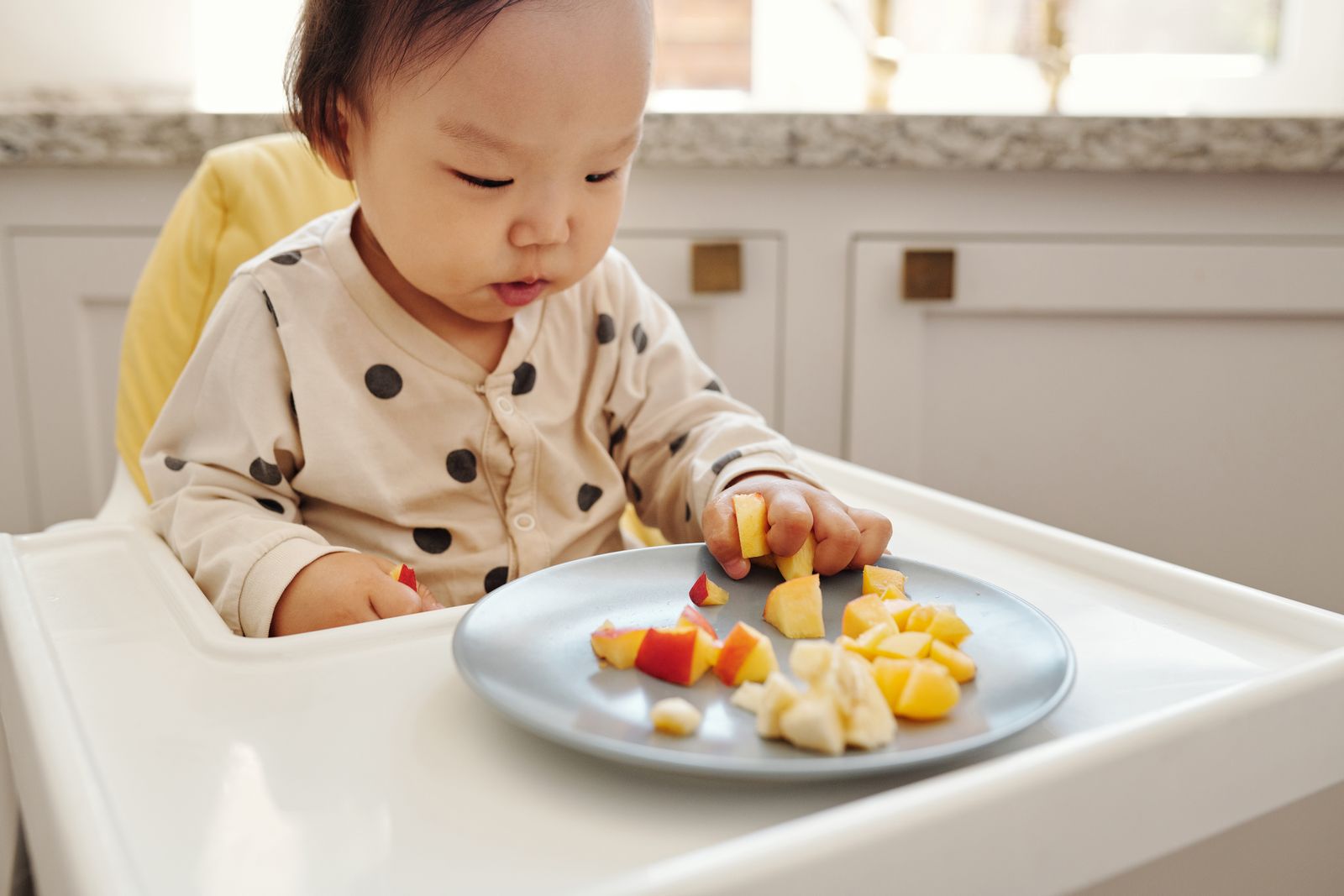
Eating for Two: The Evidence-Based Guide to Pregnancy Nutrition
The phrase "eating for two" is misleading. The quality of what you eat matters far more than the quantity. Here is what the research actually says.
Feedlittle Contributors
Editorial Team
The old advice to "eat for two" in pregnancy is one of the most persistent and most misleading myths in maternal health. The reality, as the research makes clear, is that the quality of what you eat matters far more than the quantity. In fact, the caloric increase needed in pregnancy is surprisingly modest, and the specific nutrients that matter most are not the ones most people focus on.
The Key Nutrients
Several nutrients are critical during pregnancy, and many women do not get enough of them from diet alone. Folate, iron, calcium, vitamin D, iodine, and choline are the most commonly deficient. The American College of Obstetricians and Gynecologists recommends a prenatal vitamin for all pregnant women, not as a substitute for a healthy diet but as an insurance policy against the gaps that even the best diets can have.1
Folate: The Most Important One
Folate, or its synthetic form folic acid, is the single most important nutrient in early pregnancy. It prevents neural tube defects, which occur in the first 28 days of pregnancy, often before a woman knows she is pregnant. The CDC recommends 400 micrograms of folic acid daily for all women of childbearing age who could become pregnant, and 600 to 1,000 micrograms for pregnant women. Women with certain genetic variants, such as the MTHFR mutation, may benefit from methylfolate, the active form of the vitamin.2
The neural tube closes by day 28 of pregnancy. This means that by the time most women realize they are pregnant, the critical window for folate has already passed. This is why the recommendation is for all women who could become pregnant to take folic acid, not just those who are actively trying. It is one of the few interventions in medicine that is cheap, safe, and dramatically effective, preventing up to 70 percent of neural tube defects.
Iron and Calcium
Iron needs increase dramatically in pregnancy. The body is building a whole new blood supply, and the iron requirement nearly doubles. Iron-deficiency anemia in pregnancy is associated with preterm birth, low birth weight, and developmental delays. The CDC recommends screening for anemia at the first prenatal visit and again in the third trimester. Iron-rich foods include lean red meat, poultry, fish, beans, lentils, and fortified cereals. Vitamin C enhances iron absorption, so pairing iron-rich foods with citrus, tomatoes, or bell peppers can help.2
Calcium is needed for the baby's bones and teeth, and if the diet does not provide enough, the body will take it from the mother's bones. Dairy products, fortified plant milks, leafy greens, and tofu are good sources. Vitamin D, which helps the body absorb calcium, is also commonly deficient, and many providers recommend a supplement.
Foods to Avoid
Certain foods carry risks during pregnancy and should be avoided or limited. Raw or undercooked fish, meat, and eggs can carry bacteria or parasites. High-mercury fish, such as swordfish, shark, king mackerel, and tilefish, should be avoided entirely; low-mercury fish like salmon, shrimp, and canned light tuna are safe in moderation. Unpasteurized dairy and deli meats can carry listeria, which can cause miscarriage. The CDC and the FDA maintain detailed lists of foods to avoid, and your provider can give you specific guidance.
Alcohol is the most important substance to avoid. There is no known safe amount of alcohol during pregnancy, and fetal alcohol spectrum disorders are among the most common preventable causes of developmental disability. Caffeine, in moderation, appears to be safe. The ACOG recommends limiting caffeine to 200 milligrams per day, about one 12-ounce cup of coffee.1
The Reality of Eating for Two
The caloric increase needed in pregnancy is much smaller than most people think. In the first trimester, there is no need for additional calories. In the second trimester, the increase is about 300 to 350 calories per day, roughly the equivalent of a yogurt and a piece of fruit. In the third trimester, it is about 450 to 500 calories. The quality of those calories matters far more than the quantity. A handful of nuts and a piece of fruit is a better use of 300 calories than a donut, not because the donut will harm the baby, but because the nuts and fruit provide nutrients the baby needs.4
The Bottom Line
Pregnancy nutrition is not about eating more. It is about eating better. Take a prenatal vitamin, focus on nutrient-dense foods, avoid the foods that carry real risks, and do not stress about the occasional treat. Your body is remarkably good at prioritizing the baby's needs, and a generally healthy diet, supplemented by a prenatal vitamin, is more than enough to support a healthy pregnancy. The goal is not perfection. It is consistency, and the best diet is the one you can sustain through the nausea, the cravings, and the exhaustion of pregnancy.
Sources & further reading
- 1.American College of Obstetricians and Gynecologists, "Nutrition During Pregnancy."
- 2.Centers for Disease Control and Prevention, "Folic Acid" recommendations.
- 3.World Health Organization, "Healthy eating during pregnancy."
- 4.Institute of Medicine, "Weight Gain During Pregnancy: Reexamining the Guidelines."
Written by
Feedlittle Contributors
Editorial Team
Feedlittle Contributors contributes to Feedlittle Journal on topics related to pregnancy. Every piece is grounded in peer-reviewed research and reviewed by our editorial team.
Article Series
The Pregnancy HandbookA research-backed guide to the first trimester, nutrition, exercise, and mental health during pregnancy.
Next in this series
Exercise During Pregnancy: What the Research Actually Says
Keep Reading
More in Pregnancy
The First Trimester: What to Expect and What's Normal
The first twelve weeks of pregnancy are a whirlwind of invisible transformation. Here is what is happening inside your body, and what is actually worth worrying about.

Exercise During Pregnancy: What the Research Actually Says
The old advice to rest during pregnancy has been overturned. Moderate exercise is not just safe; it is beneficial for both mother and baby.

Mental Health in Pregnancy: The Hidden Struggle
Depression and anxiety in pregnancy are more common than most people realize, and they are treatable. The first step is recognizing that they are not a failure.
The Feedlittle Newsletter
Make your inbox a little wiser.
One carefully researched article every week, on feeding, sleep, development, and the science of raising small humans. No spam, no hype, just evidence you can use.
Join 12,000+ parents. Unsubscribe anytime.